Wildflower Meadow Embroidery
First Impression: Soft, Elegant, and Instantly Springlike
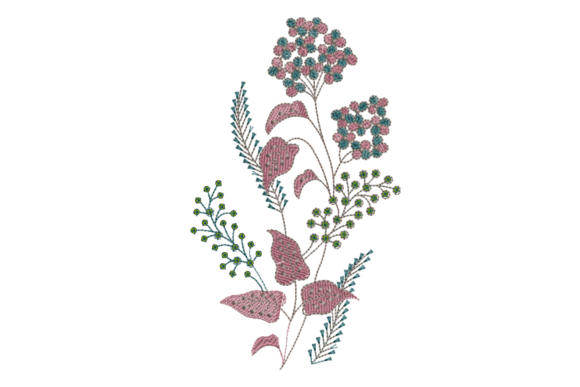
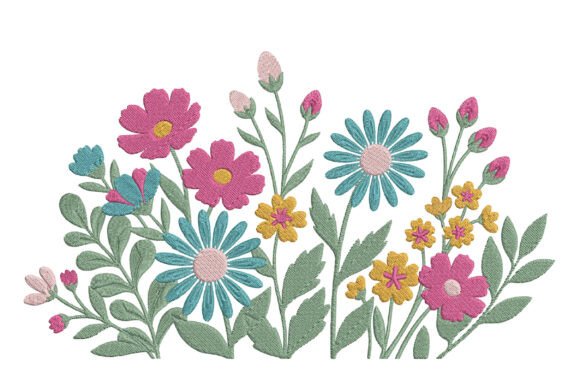
As an embroidery designer who’s prepped over 200 craft fair booths—and watched customers pause, point, and reach for pieces before they even read the price tag—I can tell you Wildflower Meadow Embroidery lands with quiet confidence. It’s not bold or graphic. It’s not rustic or farmhouse. It’s elegant floral—with just enough softness to feel handmade and just enough structure (tulips + daisies in balanced arrangement) to hold visual weight. That “lovely floral arrangement” phrasing in the description isn’t fluff—it signals intentionality. Customers see it and think “gift,” “special occasion,” or “thoughtful detail.” For craft fairs and handmade markets, that emotional resonance is your first sale.
Where Wildflower Meadow Embroidery Shines on Real Products
This design thrives where charm meets utility—and where the stitch work itself becomes part of the story. Here’s how it performs across your most common craft fair product lineup:
- Tote bag design: A standout. Centered on a natural canvas or oat linen tote, Wildflower Meadow Embroidery reads clearly from 6 feet away—soft but legible, delicate but dimensional. Avoid placing it too low; mid-panel works best for booth visibility.
- Apron embroidery: Perfect above the pocket or centered on the bib. The tulip height gives vertical rhythm without overwhelming the wearer. Bonus: it photographs beautifully on social media when styled with fresh herbs or ceramic mugs.
- Tea towel embroidery: Excellent—but only on smooth, tightly woven cotton or linen blends. On textured or looped towels, tiny daisy centers may blur. Test first.
- Embroidered patch: Highly viable. Its clean outer shape and moderate size make it ideal for iron-on or sew-on patches sold as add-ons or bundled with kits.
- Pillow cover & small pouch: Ideal scale. The floral grouping fills the space gracefully without crowding corners. Great for gifting sets (“Spring Trio”: pillow, pouch, tea towel).
- Caps & curved surfaces: Use caution. The design’s gentle curves translate well—but avoid stretching it across the full front panel. Best as a subtle side-embroidery or above the visor seam.
What Makes It Sell—And What Requires Care
Wildflower Meadow Embroidery sells because it feels complete. No extra monogram needed. No border required. It’s a self-contained moment of spring—making it instantly usable for Etsy sellers, boutique makers, and digital embroidery file buyers alike. Its strength lies in clarity at glance: shoppers recognize “flowers,” “tulips,” “daisies,” and “elegance” in under two seconds.
But elegance demands attention to detail. As a machine embroidery designer, I flag these practical considerations before cutting fabric:
- Stitch density: Tulip petals and daisy centers likely carry higher density than stems. If your stabilizer isn’t firm enough—or if you’re stitching on thick denim or corduroy—the center details may pucker or sink. Always test on scrap with your target fabric + stabilizer combo.
- Fabric texture matters: On burlap, terry cloth, or heavy linen, fine daisy outlines may disappear. Stick to smooth weaves for maximum fidelity.
- Dark fabric contrast: This design relies on thread color nuance—not stark contrast. On black or navy, light pastel threads may lack pop. Consider slightly richer pinks or buttery yellows instead of palest creams.
- Small-scale use: Below 3.5 inches wide, daisy centers and petal layering risk merging. It’s still lovely as a subtle accent—but don’t rely on it to communicate “wildflower” at tiny sizes. Save it for focal points.
Booth Impact, Brand Alignment, and Buyer Engagement
In a crowded craft fair aisle, Wildflower Meadow Embroidery helps your table breathe. It’s not loud—but it draws people seeking calm, beauty, and intention. When paired with neutral-toned products (oat, sage, clay, ivory), it elevates perceived value without shouting “premium.” Buyers associate it with care, seasonality, and handmade authenticity—key drivers for small shop product loyalty.
For Etsy sellers, this design supports strong visual storytelling: pair it with printable mockups showing the same embroidery across three products (tote, tea towel, pillow cover) to reinforce versatility. And for commercial embroidery shops? Its clean lines and balanced composition mean fewer re-hooping stops and smoother batch runs—especially when using consistent hoop size and stabilizer.
Designer Notes You Can’t Skip
Before committing to 50 tote bags or listing your first digital embroidery file:
- Test Wildflower Meadow Embroidery on your exact fabric—no exceptions. Thread behavior changes drastically between cotton poplin and rayon blend.
- Check thread colors against your base fabric in natural light. What looks harmonious on screen may mute in person.
- Review spacing: Are stems evenly weighted? Do daisies feel scattered or intentional? Zoom in on your embroidery software.
- Confirm hoop size compatibility—especially if stitching on curved items like caps or pouches.
- Inspect stitch density visually—not just numerically. Dense areas should lie flat, not stiff or raised.
- Use the right stabilizer: tear-away for stable wovens, cut-away for knits, and ultra-firm for textured or stretchy fabrics.
- Create at least one real finished product mockup—not just digital. See how light catches the stitches, how it drapes, how it feels in hand.
- Compare fabric colors side-by-side: ivory vs. oat vs. unbleached canvas. Each shifts the mood of the design.
- Verify commercial licensing terms before selling finished products or reselling the embroidery file. Not all Single Flowers designs include commercial rights by default.
Final Thought: A Quiet Workhorse Design
Wildflower Meadow Embroidery won’t dominate your booth with neon energy—but it will anchor it with grace. It’s the design customers choose when they want something meaningful, seasonal, and quietly sophisticated. For craft fair sellers, Etsy sellers, and creative entrepreneurs building a recognizable handmade brand, it’s less of a trend and more of a staple: elegant, adaptable, and deeply sellable—when respected, tested, and placed with intention.