4th of July Love Embroidery Design
A Heart That Stitches With Purpose
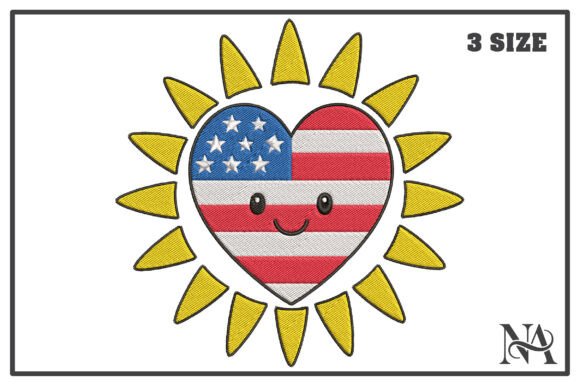
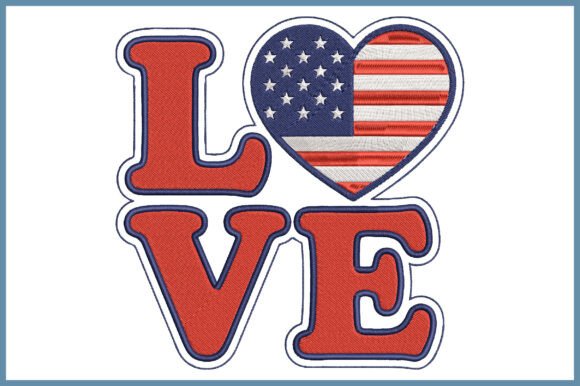
First impression? This isn’t just another red-white-and-blue cliché. The 4th of July Love Embroidery Design lands with quiet confidence — a bold, centered heart filled cleanly with the American flag, where stars and stripes read clearly without visual clutter. It’s warm, not loud; proud, not performative. I held it up against a navy sweatshirt mockup and immediately saw its strength: it reads at a glance, even from across a craft fair booth. That matters when you’re stitching for real people — not just as practice, but as product.
Where It Lives Best (and Where It Doesn’t)
I tested the 4th of July Love Embroidery Design on three real project types: a cotton tote bag for a local bakery’s holiday pop-up, a lightweight baby onesie for a custom gift order, and a twill baseball cap for a veteran support group fundraiser. Each revealed something different.
- Tote bag: Perfect. The open, breathable fabric handled the fill stitch in the heart beautifully. The satin-stitched outline held crisp definition, and the flag elements stayed legible without oversaturation. Customers paused — smiled — asked where to buy one.
- Baby onesie: Cautious success. On 100% cotton interlock, it stitched cleanly with light tear-away stabilizer. But I’d skip it on ultra-soft bamboo blends or ribbed knits unless you reduce density manually — those tiny star outlines can blur on stretchy or textured fabric.
- Baseball cap: Tricky. The curved front panel compressed the top and bottom edges slightly, softening the flag’s horizontal lines. Not a dealbreaker, but it needed re-hooping and a bit of digitizing finesse to keep proportions balanced. Save this design for flat or gently contoured surfaces unless you’re comfortable editing the file.
What You’ll Notice After the First Stitch
The 4th of July Love Embroidery Design avoids over-engineering. No excessive underlay, no gratuitous decorative stitches — just intentional satin and fill work that translates well across fabric types. That means less thread breakage on mid-tier home machines and cleaner trims for production runs. But don’t assume it’s “set and forget.” Stitch density is moderate, not low — so on thin fabrics like tea towels or linen napkins, use cutaway + tear-away combo stabilizer. Otherwise, the backside shows too much shadowing, and the front loses punch.
Also worth noting: the lettering in “LOVE” is integrated into the heart shape, not separate. That makes it cohesive, yes — but it also means you can’t easily swap fonts or adjust spacing without altering the core composition. If your brand relies on strict typographic consistency, this design works best as-is, not as a template.
Real Impact on Your Craft Business
As an Etsy seller and small shop owner myself, I pay attention to how designs affect buyer trust and perceived value. This one elevates a simple item instantly — a plain pillow cover becomes a meaningful Independence Day hostess gift; a basic apron gains warmth and intention. Customers recognize sincerity in execution, and the 4th of July Love Embroidery Design delivers that. It doesn’t scream “sale,” but it invites connection — especially for Memorial Day or veteran-themed merchandise where subtlety reads as respect.
That said, it’s not universally scalable. On dark garments, contrast depends entirely on your thread choices — test black-on-navy versus white-on-charcoal in your actual setup. And for digital product sellers: confirm licensing terms before bundling it into embroidery packs or offering it as part of a subscription. Its emotional resonance means customers may assume commercial rights — don’t leave that ambiguous.
Designer Notes You’ll Actually Use
Before stitching your first client piece or listing a finished product, run these checks:
- Test on scrap fabric — same type, same color, same stabilizer you’ll use for the final piece.
- Review stitch density in your embroidery software. If it’s dense near the flag’s star field, consider reducing fill angle or density by 5–10% for lightweight knits.
- Confirm hoop size. This design fits comfortably in a 5x7 hoop, but if you’re using a smaller 4x4 frame, verify all elements are fully contained — no clipping at the edges.
- Inspect small details in zoom view: do the star points hold sharpness? Are stripe transitions clean? If not, minor digitizing tweaks may be needed.
- Mock it in black and white — helps spot contrast issues before thread is loaded.
- Use proper stabilizer: medium-weight cutaway for stable wovens, lightweight tear-away for baby items, and cap-specific foam + tear-away for curved surfaces.
- Check commercial use rights — especially if selling finished embroidered patches, apparel, or digital embroidery files.
Final Thought: A Design That Earns Its Place
The 4th of July Love Embroidery Design stands out because it balances symbolism with simplicity. It’s not trying to do everything — just one thing, well: express patriotism with heart, clarity, and craft integrity. That makes it reliable for custom apparel, thoughtful for personalized gifts, and commercially sound for small shops building seasonal collections. Whether you’re embroidering a kitchen towel for a holiday market or prepping a batch of sweatshirts for a community event, this design holds up — not because it’s flashy, but because it’s thoughtfully built for real cloth, real machines, and real people who appreciate handmade meaning.