Ornate Butterfly Embroidery
A Designer’s First Look: Charm, Detail, and Emotional Resonance
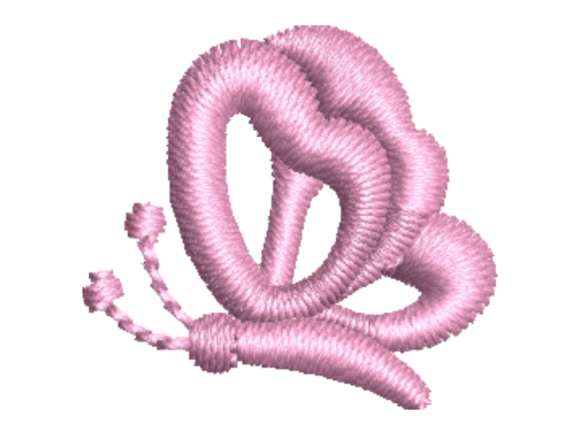
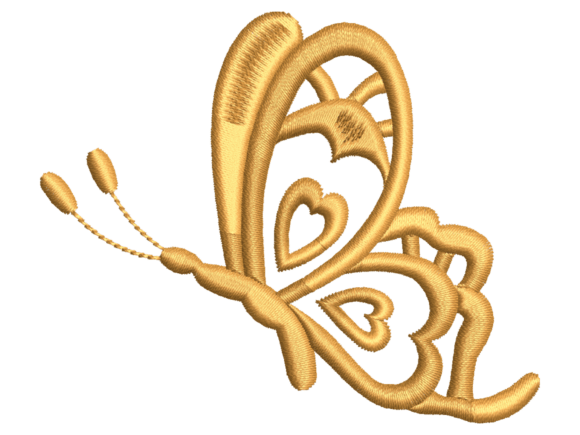
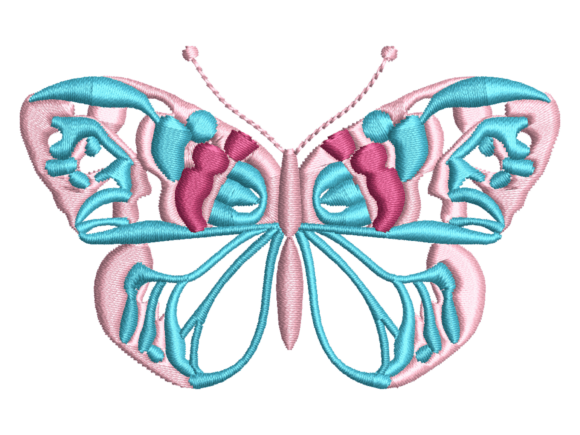
As an embroidery designer who’s developed hundreds of machine embroidery designs for personalized gift shops and Etsy sellers, my first impression of Ornate Butterfly Embroidery was immediate and warm—it feels like holding a pressed wildflower in your palm: delicate, intentional, and quietly meaningful. This isn’t a cartoonish insect or a simplified silhouette. It’s a layered, dimensional butterfly with gracefully curved wings, subtle veining, and gentle curvature that suggests movement—not static decoration. The mood is romantic and timeless, leaning elegant rather than playful, classic rather than trendy. It reads as handmade, even before stitching, thanks to balanced stitch density and organic line work. For customers seeking emotional resonance—new parents choosing nursery decor, couples selecting wedding keepsakes, or grandparents commissioning baby embroidery—this design doesn’t just adorn; it invites connection.
Where This Design Truly Shines
Ornate Butterfly Embroidery is remarkably versatile across high-demand personalized gift categories:
- Baby embroidery: Ideal for heirloom blankets, onesie accents (when placed on stable fabric panels), and nursery wall hangings—its soft symmetry and natural motif evoke gentleness and growth.
- Wedding gifts: Stitched onto linen pillow covers, cotton napkins, or muslin tote bags, it adds quiet sophistication to bridal showers and “just married” keepsakes—no glitter, no cliché, just enduring grace.
- Embroidered towel & kitchen textiles: Works beautifully on terry cloth towels when stabilized properly—place it near the corner or along the hem for visual balance without compromising absorbency.
- Pillow covers & blanket embroidery: Its scale and detail hold up well on medium-weight cotton, linen blends, and quilting-weight fabrics—perfect for small shop products aiming for boutique appeal.
- Etsy seller essentials: As a digital embroidery file, it pairs seamlessly with printable mockups. Use it to create cohesive listings—think “Butterfly Nursery Set” or “Botanical Wedding Bundle”—boosting perceived value and buyer engagement.
- Custom order previews: Because its structure reads clearly at multiple sizes, it photographs well in digital previews—even on dark fabric mockups—helping customers visualize the finished product before purchase.
Where to Use Thoughtful Caution
While Ornate Butterfly Embroidery delivers strong emotional appeal, its ornate nature means thoughtful placement matters. Avoid using it on:
- Stretchy baby clothes: Delicate wing details may distort on knits without precise stabilizing—and frequent washing can stress fine stitches.
- Thick, textured fabric like heavy terry or canvas: High stitch density may cause puckering unless paired with cutaway stabilizer and adjusted tension.
- Curved surfaces (e.g., mugs, curved tote straps): The design wasn’t drafted for distortion compensation—best reserved for flat, stable substrates.
- Dark fabric without contrast testing: Subtle interior veining may disappear on navy or charcoal unless thread colors are carefully selected—always check light/dark fabric mockups.
- Products requiring frequent laundering: While durable when stitched correctly, intricate fill areas benefit from high-quality threads and secure underlay—confirm thread colorfastness before gifting.
How It Elevates Your Handmade Product Strategy
For small business owners and crafters, Ornate Butterfly Embroidery does more than decorate—it builds trust. Customers browsing handmade product listings instinctively associate refined detail with care and craftsmanship. That perception translates directly into willingness to pay a premium, especially for wedding gifts or baby embroidery where sentiment drives spend. When photographed well—on natural light, minimal backgrounds—it enhances product photography by adding visual interest without overwhelming the item. And because it sits comfortably in both Animals and Embroidery categories, it supports cross-listing on platforms like Etsy, increasing discoverability without diluting brand voice.
Practical Embroidery Notes You Can’t Skip
Before stitching your first customer order, treat this digital embroidery file like any high-stakes production asset:
- Always test on scrap fabric matching your final substrate—terry, linen, cotton poplin—especially to assess how wing tips and fine veins render.
- Confirm hoop size compatibility. Ornate Butterfly Embroidery likely fits standard 4x4 or 5x7 hoops—but verify before digitizing or resizing.
- Review stitch density visually in your embroidery software. Dense fills need stronger stabilizer; airy outlines need tighter tension control.
- Match stabilizer to fabric texture: Lightweight tear-away for smooth cottons; cutaway for knits or towels; fusible for lightweight linens.
- Compare thread color contrast on both light and dark fabric swatches—some metallic or pastel threads lose definition unexpectedly.
- Inspect small details post-stitch: Check wing edges and inner veining for skipped stitches or thread breaks—common in dense, slow-stitch zones.
- Verify commercial licensing terms before selling finished products. Since this is a digital embroidery file delivered via ZIP or RAR, confirm whether resale rights are included—or if you’ll need separate permission for wholesale or retail distribution.
Final Thoughts for the Intentional Maker
Ornate Butterfly Embroidery isn’t just another animal-themed machine embroidery design. It’s a quiet storyteller—suitable for the baby’s first blanket, the grandmother’s embroidered handkerchief, the newlywed’s kitchen towel set. Its strength lies in restraint: no overdone embellishment, no forced trendiness—just thoughtful composition, emotional warmth, and professional-grade execution. For Etsy sellers building curated collections, gift shop owners curating meaningful inventory, or baby product creators designing heirlooms, this embroidery file earns its place not as filler, but as a signature piece. Just remember: the most beautiful finished product starts long before the needle drops—with intention, testing, and respect for both the design and the hands that will receive it.