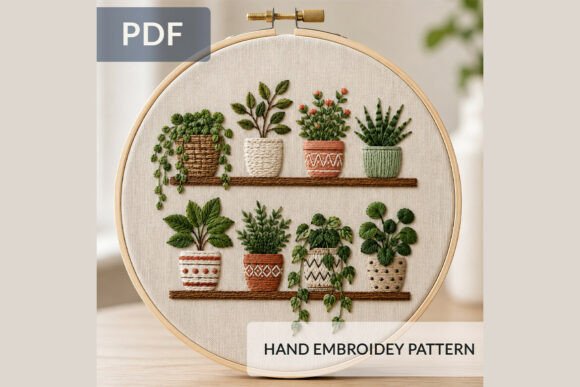
Houseplants Hand Embroidery Pattern
A Botanical Touch That Feels Intentional—Not Just Trendy
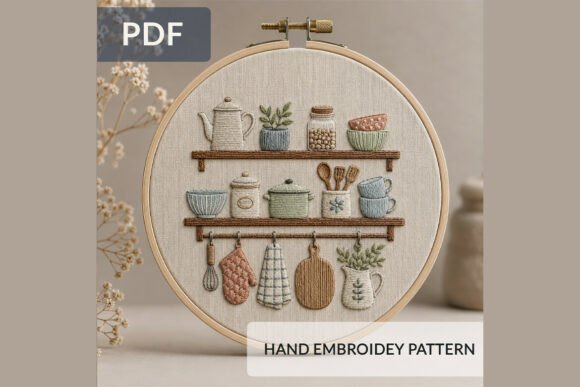
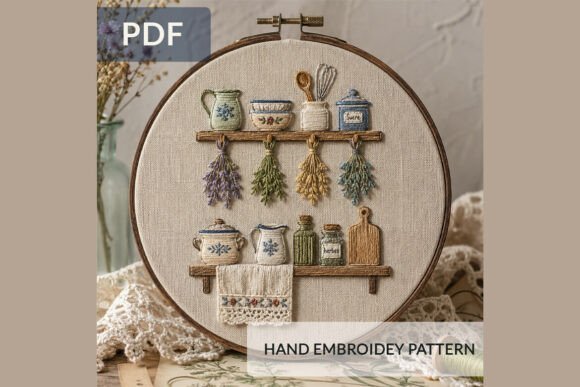
As an embroidery designer who’s developed collections for boutique apparel brands and Etsy sellers for over a decade, I approach every new pattern with two questions: “Does it hold up at scale?” and “Does it tell a story on fabric?” The Houseplants Hand Embroidery Pattern immediately stood out—not because it’s flashy, but because it’s quietly confident. It reads as modern botanical: soft-lined monstera leaves, subtle vine trails, matte ceramic pots with gentle texture, and clean wooden shelf lines that ground the composition. There’s no clutter, no forced whimsy. It’s relaxed but refined—ideal for brands building a calm, intentional aesthetic around slow living, wellness, or cozy minimalism.
How It Translates to Sweatshirt & Hoodie Projects
This pattern shines on neutral sweatshirts—think oatmeal, heather grey, or warm taupe. Placed chest-high (just below the collarbone), it reads as elevated handmade detail rather than decoration. On oversized hoodies, I’d anchor it slightly lower—centered over the heart—to balance volume without overwhelming. For sleeve accents, the trailing vines work beautifully when rotated and scaled down to 60–70% size; they wrap naturally around the bicep curve without distortion. As a back design? Absolutely—but only on relaxed-fit styles. The wooden shelf element adds subtle horizontal rhythm, helping the eye travel across the garment instead of getting lost in expanse.
Performance Across Apparel Types
- T-shirts: Works best on midweight cotton or cotton-blend tees. Avoid ultra-thin jersey unless you reinforce with tear-away + cut-away stabilizer—the vine details need crisp definition.
- Denim jackets: A standout. The organic shapes contrast thoughtfully with denim’s structure. Stitch it on the left chest or along the back yoke for quiet brand recognition.
- Tote bags: Excellent for lifestyle branding. Place it low on the front panel—it scales well and feels artisanal next to hand-lettered shop names.
- Dark garments: Choose high-contrast thread colors (ivory, sage, terracotta) for visibility. The pattern’s open layout prevents muddiness, even on charcoal or navy.
- Fleece & ribbed fabrics: Proceed with caution. Test stitch density first—the trailing elements may sink into pile or stretch across ribs. A light cut-away stabilizer is non-negotiable here.
Where Placement Matters Most
The Houseplants Hand Embroidery Pattern isn’t built for tiny chest logos. Its strength lies in breathing room: allow at least 3.5" of clear space around the outermost vine tip or pot edge. Avoid placing it directly over seams, darts, or curved hems—those subtle wooden shelf lines will warp if stretched. Also skip tight ribbing zones (like cuff bands or waistbands) unless you’re willing to manually adjust tension and hoop placement per garment. And while it’s labeled a Hand Embroidery Pattern, many designers adapt it for machine use—just confirm stitch density in the Creative Fabrica file preview before scaling for commercial embroidery.
Brand Value Beyond the Stitch
For small shops and Etsy sellers, this pattern does quiet heavy lifting. It signals care—not just in execution, but in curation. Customers scrolling past dozens of generic floral designs pause at something that feels *lived-in*, not stock. That translates to higher perceived value on sweatshirts priced $78–$98, stronger visual consistency across seasonal drops (pair it with neutral thread palettes season after season), and improved engagement on Instagram Reels showing the stitching process. When styled in natural light against bookshelves or ceramic mugs, it reinforces a cohesive lifestyle narrative—no extra copy needed.
Practical Designer Notes Before You Stitch
- Test on scrap fabric that matches your final garment’s weight and stretch—especially if using fleece, French terry, or slub cotton.
- Review stabilizer choice carefully. Light cut-away works for most knits; medium-weight tear-away suffices for stable wovens like denim or canvas.
- Confirm thread color contrast. The pattern’s charm lives in tonal layering—try a warm ivory stem with deep moss leaf fill, or dusty rose pot rim against slate green foliage.
- Check hoop size compatibility. If adapting for machine embroidery, ensure your largest hoop accommodates the full shelf + vine spread—or plan for multi-hooping.
- Inspect stitch density in the Creative Fabrica preview. Dense fill areas (like textured pots) may require slower speeds or reduced tension on delicate fabrics.
- Compare placement options. Mock it up digitally on three hoodie silhouettes—cropped, standard, oversized—to see where the botanical rhythm lands best.
- Verify licensing terms in the product details before selling finished apparel. This is a Graphics-type file, so commercial use permissions are essential for boutique brands.
Final Thought: A Pattern That Grows With Your Brand
The Houseplants Hand Embroidery Pattern doesn’t shout. It invites. That makes it unusually versatile for custom apparel—it fits spring capsule collections and holiday gifting alike, pairs seamlessly with handwritten tags and kraft packaging, and holds up across digital embroidery files, printable mockups, and lifestyle photography. For embroidery shops and creative entrepreneurs building a boutique brand rooted in authenticity, it’s less of a “design” and more of a visual signature waiting to be stitched. Just remember: its quiet strength depends on thoughtful execution—so test, refine, and let the plants breathe on fabric the way they do on your windowsill.